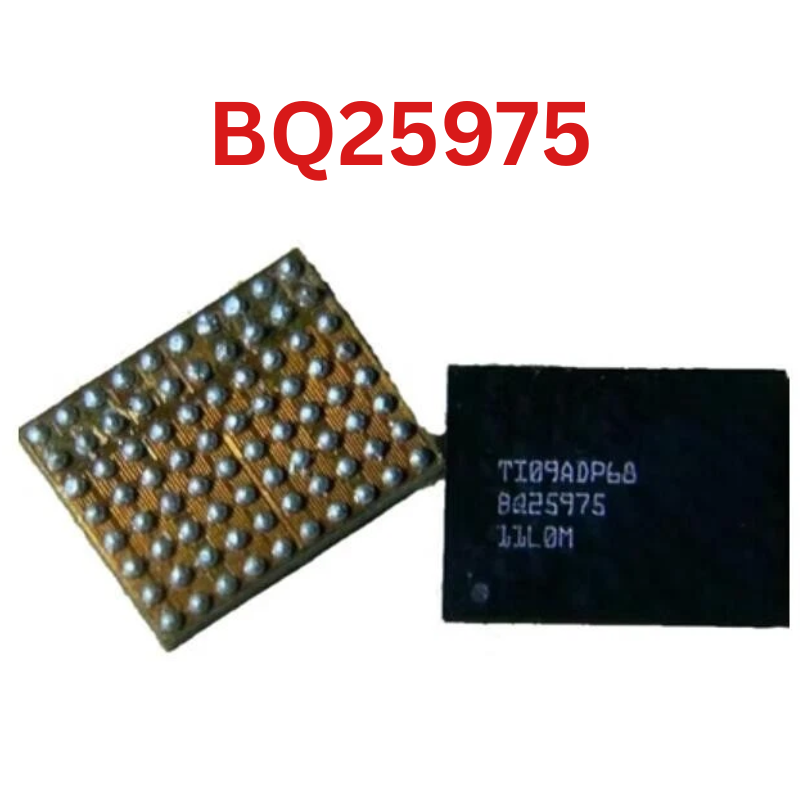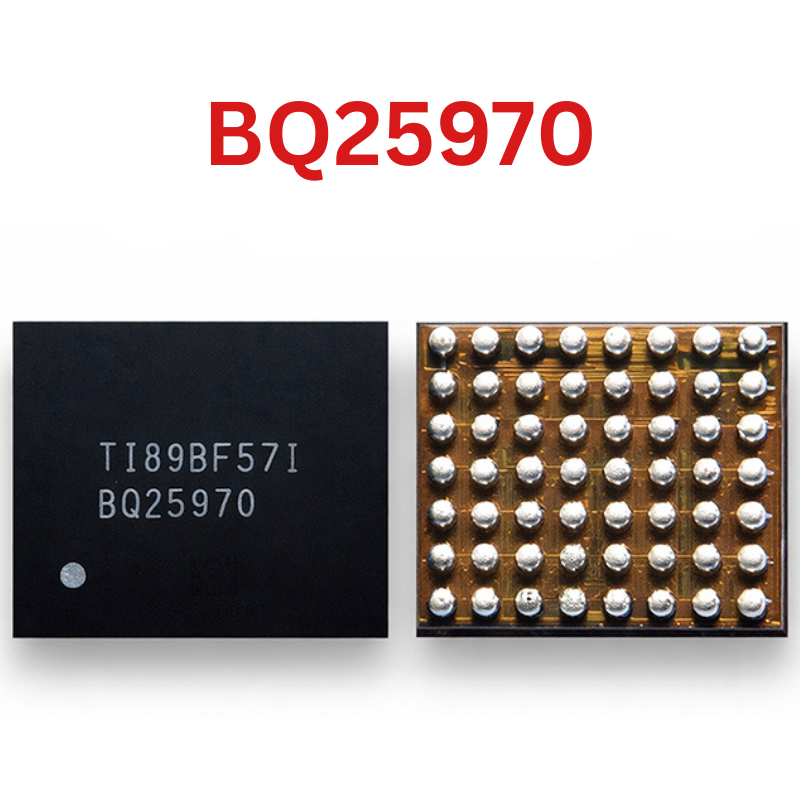

BQ25601D IC
As low as
Rs 0.00
Worldwide shipping · Cash on Delivery
Product Details
Product Details:
- Part Number: BQ25601D (BQ25601DRTWT / BQ25601DRTWR)
- Manufacturer: Texas Instruments (TI)
- Function: I2C Controlled Single-Cell 3A Synchronous Switch-Mode Buck Battery Charger with NVDC Power-Path Management, USB D+/D- Detection, and USB-OTG Boost
- Key Feature: Integrated USB D+/D- detection for automatic identification of USB adapters (SDP, CDP, DCP, and non-standard chargers)
- Input Voltage Range: 3.9V to 13.5V operating range (supports up to 22V absolute maximum input rating)
- Maximum Charge Current: Up to 3.0A (92% charging efficiency at 2A from 5V input)
- USB OTG Boost Mode: 5.15V output at up to 1.2A
- Communication: I2C Serial Interface for charge voltage, current limits, and device telemetry
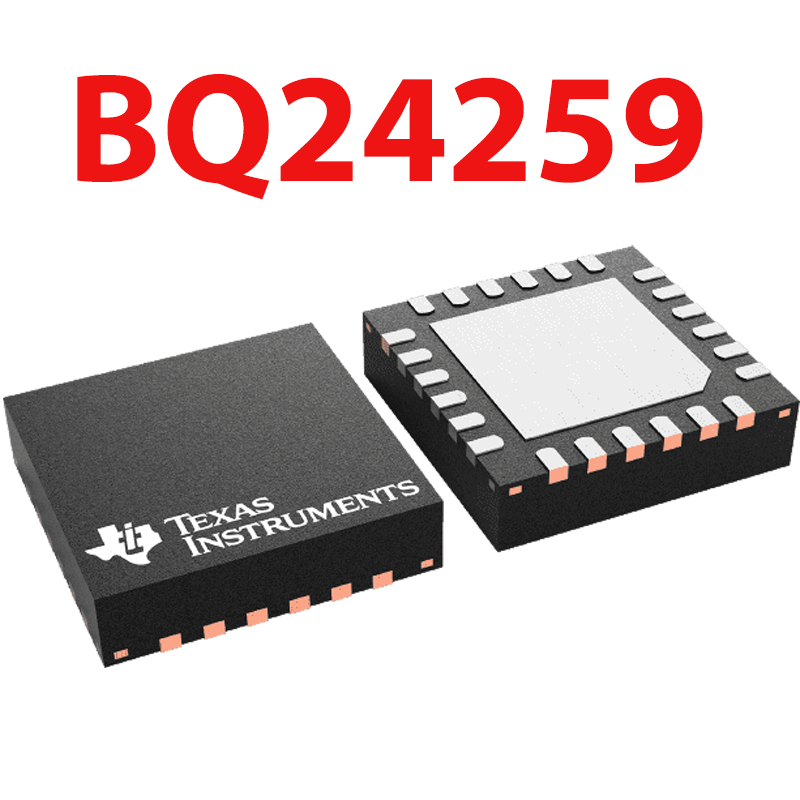
- Package / Pin Count: 24-Pin WQFN (4mm x 4mm, RTW Package with center thermal ground pad)
- Mounting Type: Surface Mount Device (SMD)
Usage:
- Used as the primary battery charging management and system power-path controller in smartphones and tablets (compatible with Infinix X608, Xiaomi Redmi Note 5A, Huawei P Smart Z, Oppo, Vivo, and various Android motherboards).
- Automatically configures the optimal input current limit based on adapter type via hardware D+/D- lines, protecting the charger and phone circuitry.
- Employs Narrow VDC (NVDC) power-path architecture to boot the device immediately upon connecting a charger, even if the battery is completely dead, missing, or deeply discharged.
- Used in motherboard repair to fix dead charging, slow battery charging, fake charging (charging icon shows but battery percentage does not increase), USB OTG failure, and charging section short-circuit faults.